
If your child has special needs, finding the right dentist can make all the difference. A pediatric dental team that understands your child’s unique needs can help create a more comfortable, positive experience while supporting their long-term oral health.
At Growing Healthy Smiles, we take a patient-centered approach to special needs pediatric dentistry in Fleming Island, helping children feel safe, supported, and confident at every visit.
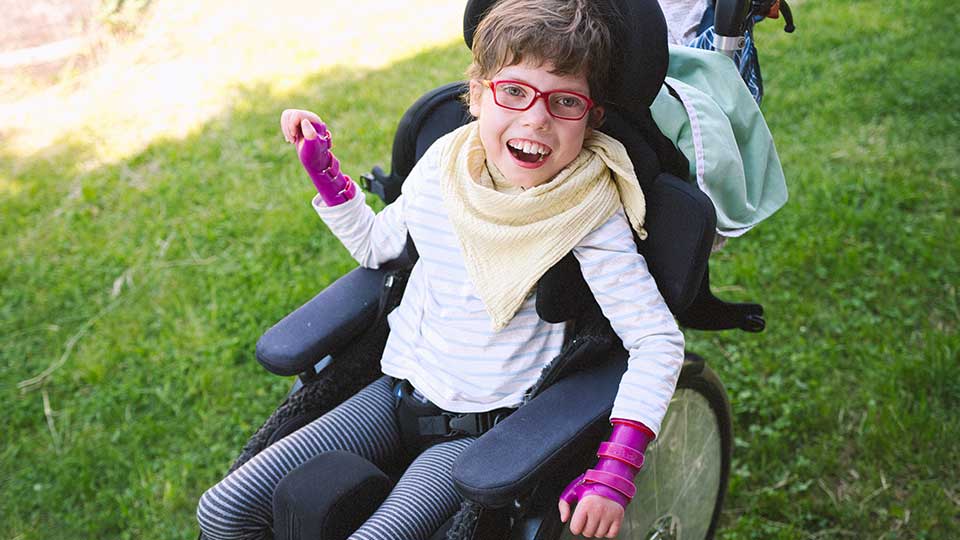
What Is Special Needs Pediatric Dentistry?
According to the American Academy of Pediatric Dentistry (AAPD), children with special needs may have chronic physical, developmental, behavioral, or emotional conditions that require specialized care.
These children may have limitations in performing daily activities and often need more comprehensive dental and medical support.
Some of the conditions we commonly see include cleft lip or palate, Down syndrome, autism spectrum disorder, cerebral palsy, neurological disorders, heart conditions, bleeding disorders, and sensory or developmental challenges.
Every child is different, which is why personalized dental care for children with special needs is so important.
Common Dental Problems in Children With Special Needs
Children with disabilities or special healthcare needs are often at a higher risk for dental issues. These challenges can be influenced by sensory sensitivities, medications, diet, or difficulty maintaining daily oral hygiene. Understanding what to look for can help you stay ahead of potential issues.
Children with special needs often face unique oral health challenges, making early and consistent dental care especially important.
Some of the most common concerns include:
- Tooth decay and cavities – Medications, dietary restrictions, or difficulty brushing can increase the risk of cavities.
- Gum disease – When brushing and flossing are uncomfortable or inconsistent, gums can become inflamed or sensitive.
- Delayed tooth eruption – Teeth may come in later than expected, which can affect spacing and development.
- Missing, extra, or crooked teeth – These differences can impact both function and appearance as your child grows.
- Teeth grinding (bruxism) – Often linked to stress or neurological conditions, grinding can wear down teeth over time.
- Bite misalignment or overcrowding – Jaw development differences can lead to alignment issues that may need monitoring.
- Dry mouth – Certain medications can reduce saliva, which plays an important role in protecting teeth.
- Oral infections – Increased risk can occur when oral hygiene is difficult to maintain consistently.
In many cases, children may not be able to communicate discomfort clearly, which makes regular dental visits even more important.
Why Choose a Pediatric Dentist for Children With Special Needs?
This specialized training is especially important when providing dental care for children with special needs, as it allows for a more thoughtful, flexible approach.
At Growing Healthy Smiles, our pediatric dentists focus on:
- Creating a calm, welcoming environment
- Using age-appropriate communication techniques
- Adjusting care to meet each child’s comfort level
- Building trust over time
Our goal is simple: help every child build a positive relationship with dental care.
Conditions We Treat in Children With Special Needs
At Growing Healthy Smiles, we care for children with a wide range of needs. Every child is unique, so we take the time to understand their specific challenges, preferences, and comfort levels before beginning care.
Some of the conditions we commonly see include:
- Autism spectrum disorder – Sensory sensitivities and communication preferences guide how we approach each visit.
- Down syndrome – Children may have unique dental development patterns that require specialized monitoring.
- Cerebral palsy – Muscle coordination challenges can affect oral care and positioning during appointments.
- Cleft lip or palate – These conditions often involve coordinated care with other healthcare providers.
- Neurological disorders – These may impact motor skills, communication, or comfort during treatment.
- Heart conditions – Some children require additional precautions during dental care.
- Bleeding disorders – Care is adjusted to ensure safety and minimize risk during procedures.
- Vision or hearing impairments – We adapt communication methods to support understanding and comfort.
- Developmental and learning differences – Each child’s pace and needs are respected throughout the visit.
Our goal is to meet each child where they are and create a supportive, individualized experience.
Helping Your Child Feel Comfortable at the Dentist
Office Tours and Preparation
New places can feel overwhelming, especially for children with sensory sensitivities. Taking time to prepare ahead of a visit can make a big difference.
We offer office tours so your child can become familiar with the space, meet our team, and see what to expect. Even small moments of familiarity can help reduce anxiety.
We also encourage you to watch our Office Tour and First Dental Visit videos to become even more familiar with our office and staff.
Communication Is Key
Every child is different, and understanding those differences is an important part of providing care.
Before your visit, our team connects with you to learn about your child’s sensitivities, preferences, and what helps them feel comfortable. This allows us to adjust the experience in a way that supports your child, rather than expecting them to adapt to us.
Before your visit, our team will connect with you and:
- Ask about sensitivities and triggers
- Learn what motivates and comforts your child
- Discuss any concerns you may have
Taking Extra Time When Needed
Dental visits should never feel rushed. Some children need more time to feel comfortable, and that’s completely okay.
We move at your child’s pace, using step-by-step explanations and visual guides when helpful. Giving children time to process what’s happening can make the experience feel more predictable and less overwhelming.
Bringing a Comfort Item from Home
A small, familiar object can make a big difference in an unfamiliar setting. Whether it’s a favorite blanket, stuffed animal, or another comfort item, bringing something from home can help your child feel more relaxed and grounded.
These items can provide a sense of familiarity and control, helping to ease anxiety and create a more positive dental experience.
Allowing Parents to Remain in the Room
Having a trusted parent or caregiver nearby can provide a strong sense of comfort and reassurance. For many children, especially those with anxiety or sensory sensitivities, simply knowing someone familiar is close can help them feel more secure.
We welcome parents to remain in the room during appointments and work together as a team to support your child throughout the visit.
Comfort-Focused Amenities
Sometimes it’s the small details that make the biggest difference.
We offer simple comforts like blankets, pillows, and the option to watch a favorite show or listen to music during the visit. Parents are always welcome to stay in the room, and we encourage bringing a comfort item from home if that helps your child feel more at ease.
Special Needs Pediatric Dentistry in Fleming Island, FL
Caring for children with special needs requires patience, compassion, and experience. At Growing Healthy Smiles, we are committed to providing supportive, individualized care for every child we see.
Whether your child needs preventive care or a more customized approach, we’re here to help every step of the way.
Call us today or schedule your child’s appointment at https://www.drbethkailes.com/
FAQs About Dental Care for Children With Special Needs
What makes dental care different for children with special needs?
Children with special needs may require a more personalized approach, including extra time, adjusted communication, and a supportive environment. Pediatric dentists are trained to provide this type of care.
How can I prepare my child for a dental visit?
Talking through the visit ahead of time, watching videos, or scheduling an office tour can help your child feel more comfortable and familiar with the experience.
How often should children with special needs see the dentist?
Most children benefit from visits every six months, though some may need more frequent care depending on their needs.
What if my child has anxiety or sensory sensitivities?
Let your dental team know in advance. Many pediatric dental offices, including Growing Healthy Smiles, can adjust the environment and pace to better support your child.