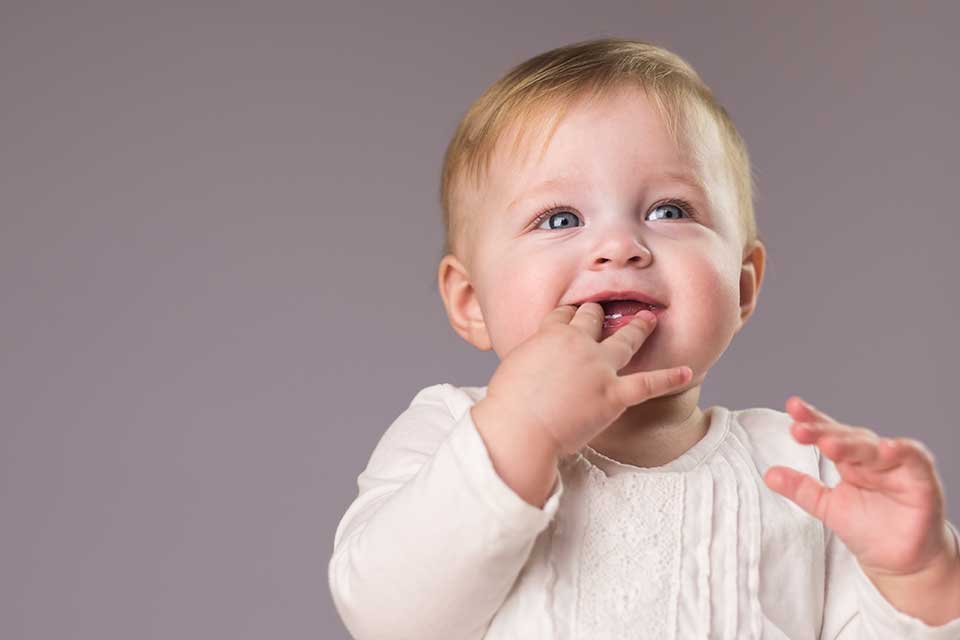
Teething is a normal part of your baby’s development that begins when their first teeth start to break through the gums. While every baby experiences teething differently, common teething symptoms include drooling, chewing or biting, tender gums, and increased fussiness.
Knowing when babies start teething, what signs to look for, and how to safely soothe teething pain can help you keep your baby more comfortable as those first little teeth begin to appear.
Key Takeaways
- Most babies begin teething around 6 months old, but starting earlier or later can be completely normal.
- Common teething symptoms include drooling, chewing or biting, tender or swollen gums, and mild fussiness.
- Teething can cause gum discomfort, but a fever of 100.4°F (38°C) or higher is not considered a normal teething symptom
- Chilled teething rings, cool washcloths, and gentle gum massage can help soothe teething pain safely.
- Your baby’s first dental visit should take place when their first tooth appears or by their first birthday.
When Do Babies Start Teething?
Your baby’s teeth actually begin developing before birth. Tooth buds form beneath the gums during pregnancy and continue developing after your baby is born.
For many babies, the first tooth appears at around 6 months of age. However, some babies start teething earlier, while others may not get their first tooth until closer to their first birthday. According to the American Academy of Pediatrics, there is a wide range of normal variation in when a baby’s first tooth appears.
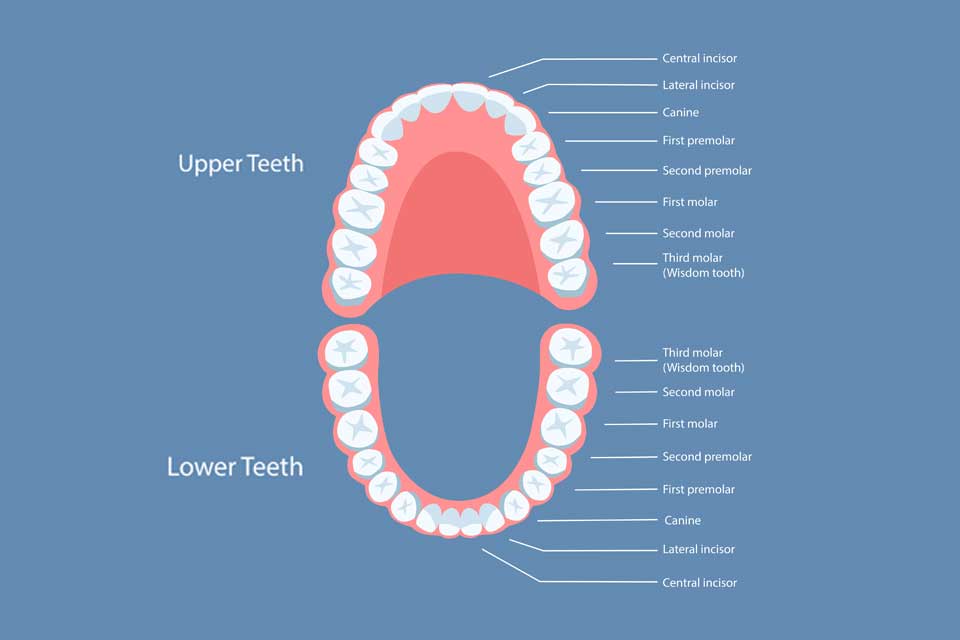
The two bottom front teeth, called the lower central incisors, are often the first to appear. They’re typically followed by the two upper front teeth.
By about age 3, most children have all 20 of their primary teeth.
Every child follows their own timeline, so don’t worry if your baby’s teeth don’t appear at exactly the same time as another child’s.
What Are the Signs of Teething?
Teething affects babies differently. Some barely seem to notice when a tooth is coming in, while others become noticeably uncomfortable.
Common signs your baby may be teething include:
- Increased drooling
- Chewing or biting on toys, fingers, or other objects
- Tender, swollen, or red gums
- Mild irritability or fussiness
- Rubbing their gums or face
- A greater desire to chew on firm objects
- A drool-related rash around the mouth, chin, or cheeks
You may even be able to see or feel the edge of a tooth beginning to come through the gum.
Can Teething Cause a Fever?
Teething does not typically cause a true fever. Your baby’s temperature may rise slightly while teething, but a temperature of 100.4°F (38°C) or higher is considered a fever and may be a sign of an illness or infection rather than teething.
Teething also shouldn’t cause significant diarrhea, vomiting, severe pain, or make your baby appear very ill.
If your baby has these symptoms, particularly a fever, contact your pediatrician rather than assuming they’re related to a new tooth.
Is Teething Painful?
Teething can cause temporary gum tenderness and discomfort as a tooth works its way through the gum.
Some babies may be fussier than usual or want to chew constantly, while others have very little discomfort. Symptoms generally come and go as individual teeth erupt.
Fortunately, there are several simple ways you can help soothe your baby’s gums.
How Can You Help a Teething Baby Feel Better?
If your baby seems uncomfortable, there are several safe and simple ways to provide relief.
Offer a Chilled Teething Ring
A firm rubber teething ring can give your baby something safe to chew on. You can chill it in the refrigerator for additional relief, but avoid freezing it. A frozen teether can become too hard and may hurt your baby’s gums.
Try a Cool, Damp Washcloth
Chill a clean, damp washcloth in the refrigerator and allow your baby to chew on it while supervised. The cool temperature and gentle pressure can be soothing to sore gums.
Gently Massage Their Gums
Wash your hands and gently rub your baby’s gums with a clean finger. The light pressure may help relieve some of the discomfort.
Offer Cool Foods When Appropriate
If your baby has already started solid foods, cool foods such as applesauce, yogurt, or pureed fruit may feel soothing on tender gums. Always choose foods that are appropriate for your child’s age and eating abilities.
Give Them a Little Extra Comfort
Sometimes distraction and comfort are just as helpful. Extra cuddles, playtime, or a favorite activity may help take your baby’s attention away from sore gums.
For more ideas, read How to Soothe Baby Teething Pain and Sore Gums.
What Should You Avoid When Your Baby Is Teething?
Not every product marketed for teething is safe for babies. Some products can cause serious side effects or create choking and strangulation hazards.
Avoid using:
- Teething gels or medications containing benzocaine or lidocaine
- Homeopathic teething tablets or gels
- Amber or other teething necklaces, bracelets, or jewelry
- Frozen teething rings or other objects that can become extremely hard
- Foods or objects that could break apart and become a choking hazard
If your baby seems especially uncomfortable and you’re considering pain medication, talk with your pediatrician or pediatric dentist about whether medication is appropriate and what dose is safe for your child’s age and weight.
When Should You Call Your Pediatrician?
Teething may make your baby mildly uncomfortable, but it shouldn’t make them significantly ill.
Contact your pediatrician if your baby has:
- A fever of 100.4°F (38°C) or higher
- Significant or persistent diarrhea
- Vomiting
- Severe or prolonged crying
- Difficulty eating or drinking
- Unusual sleepiness or lack of energy
- Symptoms that continue to get worse instead of improving
These symptoms may be caused by an illness or infection rather than teething.
How Do You Care for New Baby Teeth?
As soon as that first little tooth appears, it’s time to start taking care of it.
Gently brush your baby’s teeth twice a day using a soft, age-appropriate toothbrush and a small, pea-sized smear of fluoride toothpaste. Starting good oral hygiene habits early can help protect your child’s teeth from cavities and establish routines that will continue as they grow.
Baby teeth play an important role in helping children chew, speak clearly, and maintain space for their future permanent teeth.
Our Baby & Me visit can help parents learn how prevention and early dental care can contribute to a lifetime of healthy smiles.
When Should Your Baby First See a Dentist?
Your child should have their first dental visit when their first tooth appears or no later than their first birthday.
Early dental visits allow a pediatric dentist to check how your baby’s teeth, gums, and mouth are developing. They’re also a great opportunity for parents to ask questions about teething, brushing, fluoride, feeding habits, and preventing cavities.
Starting dental visits early also helps your child become familiar and comfortable with going to the dentist.
If your baby’s symptoms seem more severe than typical teething discomfort or you’re concerned about how their teeth are developing, talk with your pediatrician or pediatric dentist.
At Growing Healthy Smiles, we’re here to help your child’s smile get off to a healthy start. From your baby’s first tooth and first dental visit through every stage of childhood, our team can provide the preventive care and guidance your family needs.
Frequently Asked Questions About Teething
How long does teething last?
Teething isn’t a continuous period of discomfort from the first tooth until the last. Symptoms tend to come and go as individual teeth move through the gums. Most children have all 20 primary teeth by around age 3.
What teeth usually come in first?
The two bottom front teeth, called the lower central incisors, are usually the first baby teeth to appear. The two upper front teeth often follow. However, the order and timing can vary from child to child.
Can teething affect a baby’s sleep?
Teething discomfort can sometimes make it harder for a baby to settle down or sleep comfortably. If your baby’s sleep changes dramatically or they seem unusually uncomfortable, consider whether something other than teething could be causing the problem.
Do babies eat less when they’re teething?
Some babies may temporarily eat less because their gums are tender. Cool, age-appropriate foods may be more comfortable if your baby is already eating solids. Contact your pediatrician if your baby is refusing liquids, having fewer wet diapers, or you’re concerned about their eating or hydration.
When should I worry if my baby hasn’t started teething?
The timing of the first tooth varies considerably, and some healthy babies don’t get a tooth until after their first birthday. Your pediatric dentist can evaluate your child’s development and let you know if there is any reason for concern.
Helping Your Baby Through Teething
Teething is a normal part of your baby’s development, and every child experiences it a little differently. Increased drooling, chewing, tender gums, and mild fussiness are common, and simple measures such as chilled teethers and gentle gum massage can often provide relief.
Related Resources for Parents
Your baby’s first teeth are an important part of their growth and development. From preventing cavities to understanding why baby teeth matter, these resources can help you care for your child’s smile from the very beginning:
- Learn how to protect your baby’s teeth from cavities.
- Find out why baby teeth are important to your child’s oral health and development.
- Learn how our Baby & Me visits can help you establish healthy dental habits from the start.
- Get more tips on how to soothe baby teething pain and sore gums.